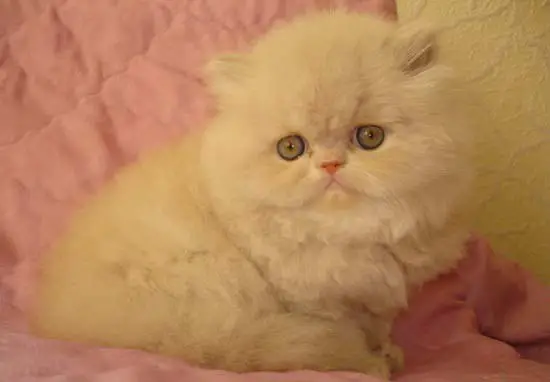
The Maine Coon is one of the largest domestic cat breeds: males often weigh 13–18 lb (6–8 kg) or more. These gentle giants grow slowly and may not reach their full size until they’re 3–5 years old. Their size brings some special considerations when it comes to feeding.

Does a Maine Coon Need Special Food?
No cat breed needs a special food to be healthy. Like any cat, a Maine Coon needs a complete and balanced food (labeled as meeting AAFCO nutrient profiles in the US, or as a “complete” food under FEDIAF guidelines in the UK) that suits its age, weight, activity and health. Some brands make breed-specific foods, and they can be a convenient choice, but a good-quality complete food for the right life stage works just as well. Large-breed foods, with bigger kibble and joint support, can be a good choice, as larger kibble encourages chewing and slows eating.
Feeding a Maine Coon Kitten
Maine Coon kittens need a complete kitten food rich in protein and energy. Because they grow for so long, many vets and breeders recommend keeping them on kitten food for longer than other breeds. Aim for steady growth rather than rapid weight gain, which can put strain on developing joints, and don’t add calcium or other supplements without your vet’s advice.
- when you bring your kitten home, keep feeding the food it ate at the breeder or shelter for the first week or two, then switch gradually;
- feed a complete kitten food (or an “all life stages” food) until at least 12 months, and often until 18–24 months (ask your vet when to switch);
- kittens under 6 months usually need three to four meals a day; from 6 months, two to three meals a day is usually enough;
- always provide fresh water;
- don’t give cow’s milk, which can cause diarrhea.
Read more about feeding a kitten.
Feeding an Adult Maine Coon
Adult Maine Coons need more food than average cats because of their size, but they still need to stay lean. Extra weight puts strain on their large joints. Use the feeding guide for your cat’s ideal weight, not its current weight, and adjust according to body condition.
- feed measured portions, using the feeding guide on the pack as a starting point, and adjust to keep your cat at a healthy weight (you should be able to feel the ribs easily);
- include some wet food every day to help with hydration and urinary health;
- keep treats to no more than 10% of daily calories;
- weigh your cat regularly and see your vet for an annual checkup;
- if your cat has been spayed or neutered, its calorie needs will be lower. Read more about feeding a spayed cat and a neutered male cat.
Health Issues and Diet
- Hypertrophic cardiomyopathy (HCM), a heart disease that’s relatively common in the breed. Responsible breeders DNA-test and screen for it.
- Hip dysplasia and arthritis, which are made worse by excess weight.
- Spinal muscular atrophy (SMA), an inherited condition that breeders can test for.
- Hairballs, because of the long coat. Read more about hairball cat food.
- Obesity. Read more about obesity in cats.
If your cat has a health condition, your vet may recommend a specific or prescription diet. Don’t give supplements or change to a prescription diet without your vet’s advice, and see your vet if your cat’s appetite, weight, thirst, stools or coat change.
What About Homemade Food?
Homemade diets are very difficult to balance and are often missing essential nutrients, such as taurine and calcium. If you want to feed homemade food, use a recipe formulated by a board-certified veterinary nutritionist. Never feed your cat foods that are toxic to cats. Read more: foods cats should never eat.
Read more about the Maine Coon breed and what to feed a cat.