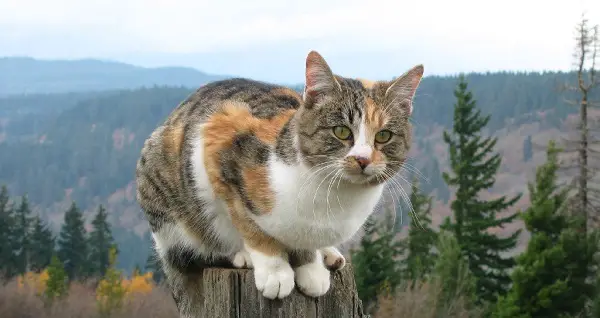
The Bengal is an elite breed for people with special expectations. If you want an incredibly beautiful, smart, talkative, and active pet with dog-like habits, get a Bengal! You’ll never be bored or lonely with one.
We’ve gathered everything you need to know about this breed in this article. Learn about the unique traits of these amazing cats and the ins and outs of raising and caring for them, so you can decide whether a Bengal is right for you.

Bengal Personality and Traits at a Glance
| Affection for family | ★★★★★ |
| Shedding | ★★☆☆☆ |
| Health | ★★★☆☆ |
| Playfulness | ★★★★★ |
| Vocality | ★★★★★ |
| Good with kids | ★★★★★ |
| Friendliness toward strangers | ★★★☆☆ |
| Ease of grooming | ★★★★☆ |
| Gets along with other pets | ★★★★★ |
| Intelligence | ★★★★★ |
Tolerance for being alone: 1
This breed becomes very attached to its owner and suffers when apart. If you’re always at work, don’t get a Bengal.
These cats are incredibly devoted and ready to follow their owner everywhere: on the couch, in bed, in the kitchen, in the bathroom. Like little dogs, they’ll trail you all over the house. Without enough attention, Bengals become distrustful and wild.
Shedding: 2
This is a short-haired breed that sheds very little.
Brushing the Bengal’s luxurious, soft coat once a week is enough.
Activity level: 5
Bengals are off-the-charts active, and the breed isn’t for everyone!
These cats demand a lot of attention, so Bengals are unlikely to suit couch potatoes. They’re very playful and curious, but also clever enough not to stick their nose where it’s dangerous.
Vocality: 5
If you want peace and quiet, forget about a Bengal! They talk all the time.
You’ll have to chat with this pet and explain every move you make around the house. The great thing is that with a Bengal you’ll have a real conversation, because the breed makes a couple dozen distinct sounds, from a classic “meow” to chirps, chatters, and trills.
Good with kids: 5
Bengals quickly find common ground with kids. They take a keen interest in what children are doing and join in their games.
It’s worth noting that Bengals show no aggression at all. None whatsoever. If a little human goes too far, the cat will simply dodge and hide somewhere quiet.
Attitude toward guests: 3
Don’t expect your Bengal to happily greet your guests. These cats are naturally wary and need time to get used to strangers.
Gets along with other animals and dogs: 5
Bengals don’t fight with other pets. They’re tolerant and patient with them, and they get along especially well with active cats and dogs that will join in their games.
Ease of care: 4
The breed doesn’t need any especially complicated care.
But be ready for two things. First, these cats are very clean, so the litter box must always be spotless. Second, Bengals are active and social, so owners need to keep their pet entertained and give it lots of attention.
Intelligence: 5
The breed stands out for its exceptional intelligence.
Interactive toys and puzzle toys are a must for every Bengal. But be ready for them to get bored quickly, so you’ll have to keep buying new ones. These cats quickly figure out what annoys their owner and may use it to get attention. They learn fast and can even perform some tricks that dogs usually do.
Health concerns: 3
You can’t really call this a healthy breed.
The Bengal was developed through long crossbreeding, which affected its genetic health. The breed is prone to a number of conditions, which we cover in detail in the “Health and Common Diseases” section.
History of the Breed
The Bengal is the result of a uniquely successful cross between a wild cat and a domestic cat. The breed has a founder: breeder Jean Sugden (Mill). In the 1970s, she experimented with crossing the wild Asian leopard cat with domestic cats.
Years of painstaking work produced a new breed, the (domestic) Bengal, which remarkably combines the wild traits of its ancestors with the friendliness and gentleness of a house pet.
The world’s cat fanciers didn’t accept the breed right away. The International Cat Association (TICA) recognized it in 1991, while the Cat Fanciers’ Association (CFA) still doesn’t recognize this hybrid breed.
Appearance
The domestic Bengal is a fairly large cat. An adult male weighs about 15–18 lb.
The breed’s features are visible from a distance. Bengals look like wild cats: independent, self-reliant, and capable of any “feat.” But looks can be deceiving, and a Bengal isn’t what it seems.
The way this animal looks doesn’t reflect its true character. Bengal kittens inherit only 15–20% of their genes from their wild ancestor; the rest of their looks and personality come from domestic cats. These “wild genes” didn’t make the cat aggressive. They just gave it some special traits:
- The grace and flexibility of a predator.
- An extraordinary coat.
- A love of water.

WCF Breed Standard
- Body. Medium to large. Long, muscular, and very strong.
- Head. Wedge-shaped. Massive. Longer than it is wide.
- Muzzle. Broad and powerful.
- Neck. Long, powerful, and muscular, in proportion to the head and body.
- Ears. Small to medium. Rounded. Tilted slightly forward. Set high, with a wide base. A wild-type spot on the ears is required.
- Chin. Massive.
- Nose. Curved, large, and broad.
- Cheeks. Full, with large whisker pads.
- Eyes. Large and almond-shaped. Any color is allowed except aquamarine and blue. The exception is the snow Bengal, which has pure blue eyes.
- Legs. Round, powerful, and large. The hind legs are longer than the front legs.
- Tail. Medium length, thick, not fluffy. Rounded tip. Spots or rings along its whole length.
- Coat. Short. Dense in texture and very soft (like silk) to the touch. Glossy.
- Coat pattern. Two are allowed: spotted (with or without rosettes) and marbled.
- Color. The standard recognizes 6 colors, including brown spotted.
- Weight. Females: 10–11 lb. Males: 15–18 lb.
Fun fact!
A distinctive feature of the Bengal is its thick whisker pads, which give its mouth a square, “tiger-like” shape. You can see it when the cat yawns, meows, or growls.
Bengal Cat Photos
In these photos, you’ll see Bengals in different colors.
- The leopard-spotted Bengal is the most popular kind. It looks a lot like its wild relatives.

- “Sorrel” (a golden coat with chocolate-brown spots). Cats with this color usually have a black tail tip. Interestingly, their true color develops by the age of 1 to 1.5 years, so it’s hard to judge the value of a younger kitten.

- The marbled Bengal stands out because its markings are completely different: they have a unique swirled (not leopard-like) shape.

- “Snow leopard” (white, gray). Dark spots stand out on a grayish-white background. Interestingly, kittens of this color are born completely white and only later develop grayish tones and dark spots.

Living With and Caring for a Bengal
Keep in mind that show cats that compete in shows take much more time, money, and supplies to care for. If your cat is simply a beloved pet, it will cost you less, and caring for it won’t feel tiring or difficult.
What a Bengal Needs
The Bengal is a wildcat hybrid, with wild blood running through its veins. These cats are incredibly active, athletic, and curious. The first thing to take care of is a safe space. No flimsy insect screens on the windows, only sturdy metal screens. No open doors, since the outdoors is dangerous for this breed. Hide anything breakable, sharp, or pointed, and tuck electrical cords into cable covers.
To give your Bengal an outlet for all that energy, set up a “gym” corner: a cat tree, a tall play house, or a multi-level bed with a tall, sturdy scratching post. Bengals are great jumpers and love climbing onto cabinets and shelves. They can also be little thieves, so keep valuables out of reach.
The Bengal is a real Energizer Bunny. They don’t like sleeping in your lap, but they love playing and “hunting” with you. To keep a bored Bengal from damaging your furniture, shoes, and clothes, it needs toys, lots of different ones: balls, wand toys, tunnels, mazes, and all kinds of toy mice. A Bengal will also hunt real mice if there are any, so small pets will need to be kept out of its reach.
A passion for water is one of the Bengal’s signature traits. Bengal owners recommend setting up a tub of water with rubber toys as a plaything. The cats will happily splash around, fishing out the toys as if they were fish. This lets them act on their wild instincts.
Bengals take to the litter box easily, but they love to bury their waste. Keep this in mind and get them a covered or deep litter box (with sides at least 4 in high), and don’t forget to fill it with litter. For outdoor walks, you can get a harness, which Bengals get used to quickly, or build a roomy enclosure (a catio) in your yard. Letting them roam freely outside is not acceptable!
What Care Involves
The breed is exotic, but caring for it is the same as for other breeds. Brush the Bengal’s beautiful, short, smooth coat with a deshedding tool (such as a FURminator) and a rubber grooming mitt 3–4 times a month. Bathe your cat only when needed, before shows or if the coat gets very dirty. But remember that Bengals love bathing and may even get in the tub with you. Don’t bathe them too often, though, so you don’t strip the protective layer from their skin and coat.
Check the eyes and ears and, when needed, clean away tear stains and wax with a damp cotton ball or pad. Never use cotton swabs to clean the ears, since they can damage the eardrum. Use ear and eye drops for prevention only if your vet recommends them.
Get your kitten used to tooth brushing from its first days in your home. Ideally, the breeder will already have started. Brush your cat’s teeth with a special pet toothpaste and brush at least once a week. To prevent plaque and tartar, feed special dental dry food. If your cat eats a raw diet, check its mouth regularly. Any buildup on the teeth is a reason to see the vet.
Cats love to sharpen their claws on a scratching post, but that usually isn’t enough. Check the claws and carefully trim about 1/16 in with nail clippers once a month. Make sure each claw is trimmed straight, not at an angle.
How Much Does It Cost to Keep a Bengal?
Owning a Bengal requires an initial investment plus monthly costs for upkeep and care.
What to Buy for Your Kitten
Essentials:
- Two bowls (for water and food). Ceramic or stainless steel bowls of the right size are best; don’t buy oversized bowls for the kitten to grow into. Price: $10–$30.
- A litter box. Open, with high sides: $15–$30. Covered: $30–$80.
- A rubber grooming brush: $8–$15.
- A tall vertical scratching post: $40–$100.
- Toys (lots of different ones). Price: $25–$80.
Extras:
- A floor-to-ceiling scratching post or a cat activity center. Price: $100–$500.
- A carrier. Price: $30–$60.
- Nail clippers. Price: $8–$15.
- A harness and leash (for walks). Price: $15–$35.
- Cat-proof window screens. Price: $30–$80.
- A deshedding tool (such as a FURminator). Price: $20–$40.
- A play tunnel (you can also make one yourself). Price: $15–$40.
The final amount depends on the brand of food, the type of litter, the grooming products you choose (shampoo, conditioner), your vet’s recommendations, and the number of vet visits.
Health and Common Diseases
This is a hybrid breed created by people, so genetic developmental issues and inherited conditions are possible:
- Hypertrophic cardiomyopathy, a condition in which the walls of the heart’s ventricle thicken. It impairs blood circulation and can lead to blood clots.
- Flat-chested kitten syndrome. A congenital deformity in which the ribs curve inward. It can be fatal.
- Neuropathy. It causes weakness. Full recovery is possible.
- Hip dysplasia. In severe cases, it causes lameness.
- Polycystic kidney disease. It’s detected with a DNA test and treated surgically.
- Progressive retinal atrophy. A degenerative disease that leads to blindness.
To keep genetic problems away from your cat, choose your breeder carefully. Ask about the pedigree and the medical records of the kitten’s parents. Ask the seller for the kitten’s medical exam and genetic test results.
Later on, to minimize the risk of non-inherited diseases, stick strictly to the recommended vaccination schedule, keep up with parasite treatments, and avoid contact with sick and stray animals. Seeing the vet promptly whenever you suspect a problem greatly improves your pet’s chances of recovery. And don’t skip preventive checkups.
On average, preventive care may cost $300 to $600 a year. In your Bengal kitten’s first year, add the cost of spay or neuter surgery: about $150–$500.
Important!
Watch your cat’s diet: the breed is prone to food allergies and digestive problems.
Feeding
From its wild ancestors, the Bengal inherited a shorter digestive tract that’s built to digest protein (meat). Owners need to keep this in mind and choose the type of feeding that suits the breed best.
Make this choice right away and avoid long experiments with the diet, because Bengals have sensitive stomachs.
Raw and Homemade Diet
If you choose a natural diet, remember that lean raw meat and meat products should make up its base (up to 70%). Otherwise, your cat may develop digestive problems.
A Bengal’s diet should include:
- meat (rabbit, lean beef, turkey, chicken breast, horse meat, lamb);
- organ meats (heart, chicken gizzards, kidneys, lung);
- chicken necks;
- tripe;
- vegetables (fresh or boiled): pumpkin, carrots, zucchini, broccoli, cauliflower;
- ocean fish fillets, no more than 1–2 times a month;
- cottage cheese (1%);
- bran;
- dried kelp;
- quail eggs, 1–2 a week;
- vitamin and mineral supplements, as recommended by your vet.
The daily portion for cats on a natural diet should be 7–7.5% of their body weight.
On this diet, feeding your cat will cost about $50–$90 a month.
Commercial Cat Food
Choose commercial food for a Bengal with a high protein content. Ideally, go for holistic or super-premium foods. The daily portion is calculated individually.
Recommended brands available in the US:
- ORIJEN Six Fish Cat, holistic, 42% protein;
- Royal Canin Bengal Adult, a breed-specific premium food, 40% protein;
- Wellness CORE Grain-Free Original;
- Instinct Original Grain-Free;
- Purina Pro Plan Adult.
On average, Bengals need 2.8–4.2 oz of dry food a day. Split this amount in half and serve it in the morning and evening. Your cat should have fresh water available around the clock.
Food will cost about $30–$60 a month.
Frequently Asked Questions
How long do Bengals live as house cats?
The breed’s lifespan is 12–15 years (or more).
How much do adult cats and kittens weigh?
Males are much bigger than females. Adult females weigh about 11 lb, and males 15–18 lb. A 6-month-old kitten weighs 6.5–8.5 lb. By one year, they weigh 9–13 lb.
Do they like being held?
If you want a cat that will lie in your arms, look at other breeds. Bengals are strong-willed. You can’t make them sit in your arms if they don’t want to.
Can they live outdoors?
Cats are house pets, and the Bengal is no exception. You can take them outside, but only on a leash or in a roomy enclosure in warm weather. Keeping them in an outdoor enclosure full-time is not acceptable. Without contact with people, a Bengal quickly turns wild.
How aggressive is the breed?
Despite their “wild” looks and incredible energy, Bengals are not an aggressive breed. Of course, they may stand up for themselves, but they prefer to retreat to a quiet spot.
Do they like to scratch and climb?
A Bengal’s favorite activity is climbing vertical surfaces. That’s why they need tall cat trees or multi-level cat houses that look more like gym equipment. A tall, sturdy scratching post is a must, since Bengals love to sharpen their claws and leave scratch marks.
Is this breed hypoallergenic?
Sorry, allergy sufferers: people can be allergic to Bengals. No breed is completely hypoallergenic.
Does the coat need grooming?
Your pet’s luxurious, smooth coat needs regular care. Thin it out weekly with a deshedding tool and brush it with a rubber brush afterward.
What eye colors do they have?
Snow Bengals have blue eyes. In all other colors, blue and aquamarine eyes aren’t allowed. Other eye colors (green, gold-green, orange, yellow-green, and others) are allowed by the breed standard.
Is the breed prone to heart disease?
Yes. Unfortunately, man-made breeds often have heart problems. Bengals are prone to an inherited condition called hypertrophic cardiomyopathy.
At what age do they stop growing?
Bengals grow in size and weight until about 2 years of age. Males grow for longer.
How do they feel about water?
Bengals love water and may happily take a bath with their owner.
Reviews From Bengal Owners
Larisa: “This cat turned our life upside down and back again! When we got this spotted little girl, we found out what it’s like to be parents: we slept on a schedule, cleaned the litter box, and warmed up her food. Life with this breed is never boring. She’s always looking for adventure, and the owner’s job is to rescue the Bengal from every situation: getting her down from the ceiling, pulling her out from under the washing machine, and so on. Just keep in mind that you can’t scold these guys; they’re very sensitive.”
Marina: “My Bengal is the most important creature in the house. He has to control everything and be everywhere at once. One unusual thing I’ve noticed is that Marquis loves playing with water. He fishes out toys with his paw and loves to splash, but he can’t stand being bathed. Since Bengals are natural hunters, I often take Marquis outside for a walk, and he happily climbs trees and races around the lawn in front of the house.”
Igor: “Until Saffron came into our home, I had no idea what a unique breed this is. People who talk about how hyperactive Bengals are, are right. Until he was six months old, Saffron was literally climbing the walls and never had a moment’s rest, and neither did we. Then we noticed that Saffron can communicate: he makes a specific sound for each situation, and now we understand when he wants water and when he wants his litter box cleaned. Overall, a very smart breed.”
Bengal Kitten Price
Bengal kittens are expensive. In the US, a kitten from a registered breeder typically costs between $1,500 and $5,000.
What Affects the Price of a Kitten
A Bengal kitten’s price depends on its paperwork, pedigree, and class:
- SHOW: kittens for professional breeding and shows. Show-quality kittens start at about $4,000.
- BREED: genetically healthy kittens with a pedigree and good traits. These cost about $2,500–$4,000.
- PET: companion kittens that aren’t allowed in shows or breeding. You can buy one for about $1,500–$2,500.
Where to Buy a Bengal Kitten in the US
The Bengal is registered by TICA (the CFA doesn’t recognize the breed), so start with TICA’s breeder listings – https://tica.org/find-a-cat/find-a-cat-breeder-listings/.
Bengal catteries in the US:
- Zazu Bengal Breeders (central Connecticut) – https://sites.google.com/view/zazubengalbreeders860/home;
- Lauralei Bengals (Southern California; TICA) – https://impala-violet-32e2.squarespace.com/;
- Brazos Bengal (Graford, Texas; TICA) – https://www.brazosbengal.com/.
Similar Breeds
If you really want a beautiful cat with a “wild” or leopard-like coat, consider similar breeds: the Toyger or the Egyptian Mau. These breeds are just as active as the Bengal.
Sources:
http://www.vetstreet.com/cats/bengal
https://www.yummypets.com/mag/2017/04/02/97710/15-things-you-didnt-know-about-the-bengal-cat